What is a Cataract?
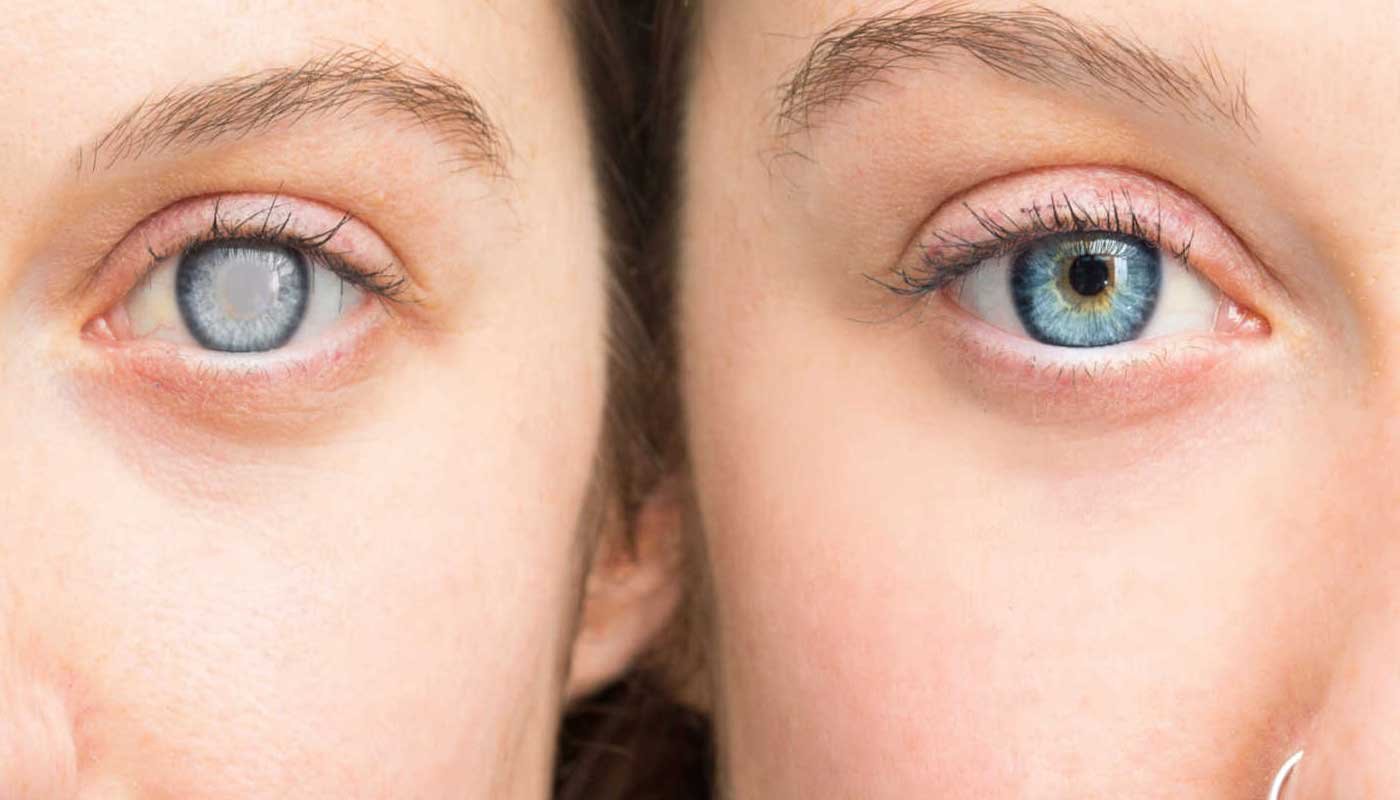
A cataract is a common eye condition where the lens of the eye becomes cloudy, leading to blurred vision and, if untreated, potential vision loss. Cataracts typically develop slowly over time and are one of the leading causes of blindness worldwide. Fortunately, cataract surgery is highly successful in restoring vision.
What Causes Cataracts?
Cataracts occur when proteins in the eye’s lens break down and clump together, causing cloudiness. Several factors can contribute to this process, including:
✅ Aging – The most common cause, usually affecting people over 50.
✅ Genetics – A family history of cataracts increases the risk.
✅ Prolonged UV Exposure – Excessive sunlight can accelerate lens damage.
✅ Diabetes – High blood sugar levels contribute to cataract formation.
✅ Smoking & Alcohol Consumption – These habits can increase the risk.
✅ Eye Injuries & Surgery – Previous eye trauma or surgeries can lead to cataracts.
✅ Long-Term Steroid Use – Prolonged use of corticosteroid medications may contribute to cataract development.
Symptoms of Cataracts
Cataracts usually develop gradually and may not be noticeable in the early stages. As they progress, you may experience:
👁️ Blurry or cloudy vision – Like looking through a foggy window.
👁️ Sensitivity to light – Difficulty seeing in bright light or glare from headlights at night.
👁️ Poor night vision – Seeing halos around lights or difficulty driving at night.
👁️ Fading colors – Colors appear dull or yellowish.
👁️ Frequent changes in glasses prescription – Vision fluctuations may indicate cataracts.
Types of Cataracts
There are different types of cataracts based on their location and cause:
1️⃣ Nuclear Cataract – Develops in the center of the lens, commonly due to aging.
2️⃣ Cortical Cataract – Forms around the edges of the lens and moves inward.
3️⃣ Posterior Subcapsular Cataract – Grows at the back of the lens, often affecting near vision.
4️⃣ Congenital Cataract – Present at birth, usually due to genetic factors or infections during pregnancy.
How is a Cataract Diagnosed?
A comprehensive eye exam is necessary to diagnose cataracts. This includes:
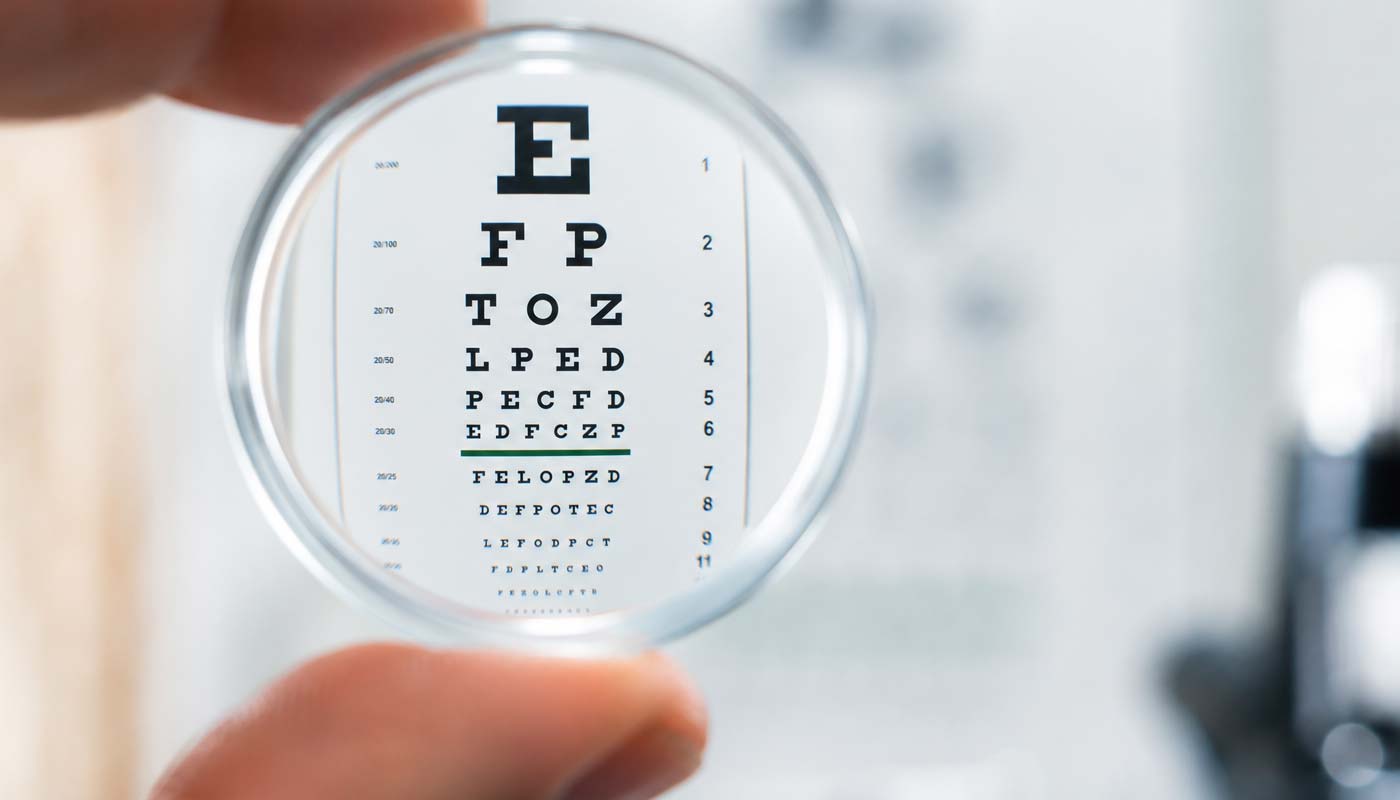
✔️ Visual Acuity Test – Measures how clearly you see objects.
✔️ Slit-Lamp Examination – Provides a magnified view of the eye’s structures.
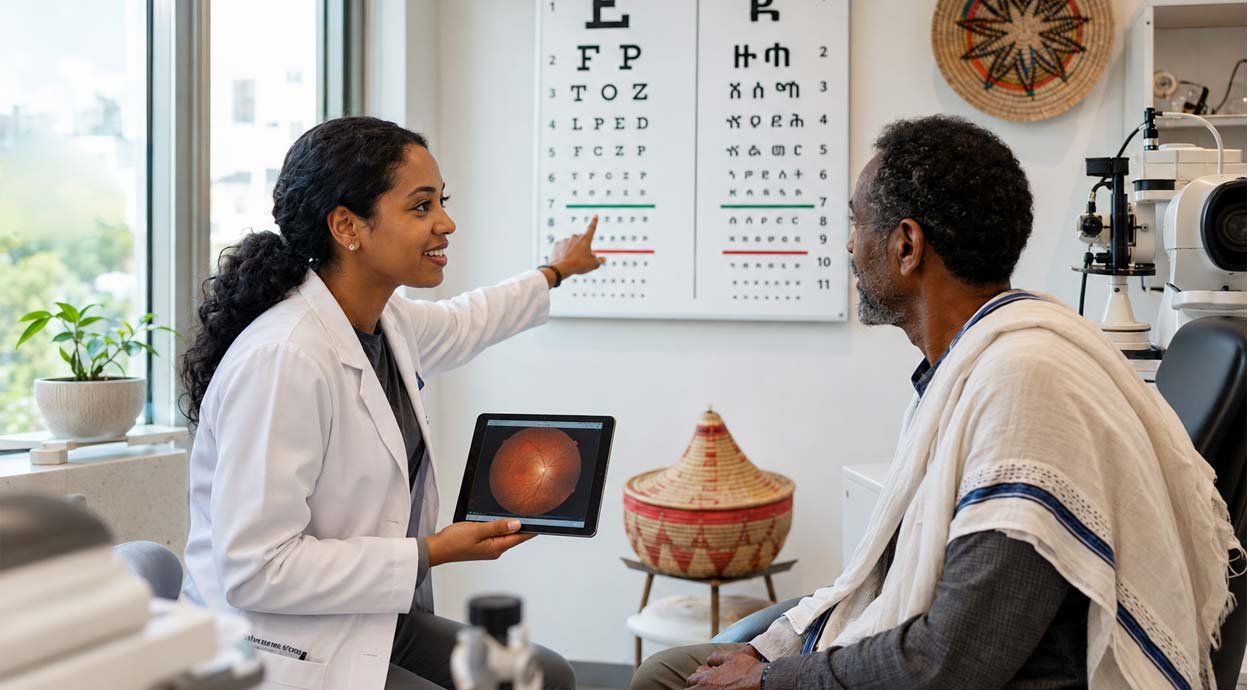
✔️ Retinal Exam – Checks the retina and optic nerve for signs of cataract-related vision loss.
Treatment Options for Cataracts
1. Lifestyle Adjustments (Early Stages)
If cataracts are mild, simple changes can help manage vision, such as:
🔹 Using brighter lighting at home and work.
🔹 Wearing UV-protective sunglasses.
🔹 Updating eyeglass prescriptions frequently.
2. Cataract Surgery (Advanced Stages)
Once cataracts interfere with daily activities, surgery is the only effective solution. Cataract surgery involves removing the cloudy lens and replacing it with an artificial intraocular lens (IOL). The procedure is:
✔️ Quick – Usually takes less than 30 minutes.
✔️ Painless – Performed under local anesthesia.
✔️ Highly Effective – Over 95% of patients regain clear vision.
At El-Amin Ophthalmic Center, we specialize in state-of-the-art cataract surgery, ensuring a smooth recovery and excellent visual outcomes for our patients.
How to Prevent Cataracts?
While aging is inevitable, you can reduce your risk of cataracts by:
✅ Wearing sunglasses to protect against UV rays.
✅ Eating a healthy diet rich in vitamins C & E, lutein, and omega-3s.
✅ Controlling diabetes & blood pressure to prevent complications.
✅ Quitting smoking and limiting alcohol consumption.
✅ Scheduling regular eye exams to catch cataracts early.
Get Expert Eye Care at El-Amin Ophthalmic Center!
At El-Amin Ophthalmic Center, we provide comprehensive cataract screenings, advanced treatment options, and personalized care to help you maintain clear vision. Don’t wait until your vision worsens—early detection and treatment can make all the difference!