
Healthy vision is essential for a child’s learning, development, and overall well-being. Yet, many children live with undetected vision problems because they don’t realize they aren’t seeing clearly—or they can’t express it. As a result, early vision issues often go unnoticed, leading to academic struggles, low self-esteem, and even long-term visual impairment.
At El-Amin Ophthalmic Center, we emphasize the importance of early detection and regular eye exams for children. In this blog, we’ll walk you through how to spot the signs of vision problems in children and what steps you can take to protect your child’s eye health.
Why Children May Not Report Vision Problems
Unlike adults, children might not recognize or communicate that something is wrong with their vision. They may assume everyone sees the world the same way they do. That’s why parental observation is key in identifying potential issues early.
Common Signs of Vision Problems in Children
Here are some behaviors and physical signs that may indicate your child is struggling with their vision:
👀 Squinting or tilting the head
Your child may squint to try to see more clearly or tilt their head to adjust the viewing angle, especially when reading or looking at distant objects.
📚 Holding objects very close
If your child consistently holds books, tablets, or phones very close to their face, it may be a sign of nearsightedness (myopia).
🌀 Frequent headaches or eye rubbing
Children with uncorrected vision problems often experience headaches, especially after reading or screen time. Rubbing their eyes frequently may signal eye strain or fatigue.
🧍 Poor attention or performance in school
Undiagnosed vision issues can interfere with reading, writing, and overall learning. If your child struggles academically or has trouble staying focused, it’s worth checking their eyesight.
🚶 Bumping into objects or poor hand-eye coordination
Vision problems can also affect spatial awareness and coordination, making it harder for kids to play sports or move around safely.
Eye Conditions Common in Children
Some of the most common eye problems in children include:
- Refractive errors (nearsightedness, farsightedness, astigmatism)
- Amblyopia (lazy eye)
- Strabismus (crossed or misaligned eyes)
- Color blindness
- Eye infections or allergies
Many of these issues are treatable when diagnosed early.
When Should Your Child Get an Eye Exam?
According to eye care professionals, the ideal schedule for children’s eye exams is:
- First exam: At 6–12 months
- Second exam: At 3 years old
- Before starting school
- Every 1–2 years thereafter, or as recommended by your eye doctor
Children with risk factors (e.g., family history of eye problems, premature birth, or developmental delays) may need more frequent checkups.
What to Expect During a Child’s Eye Exam
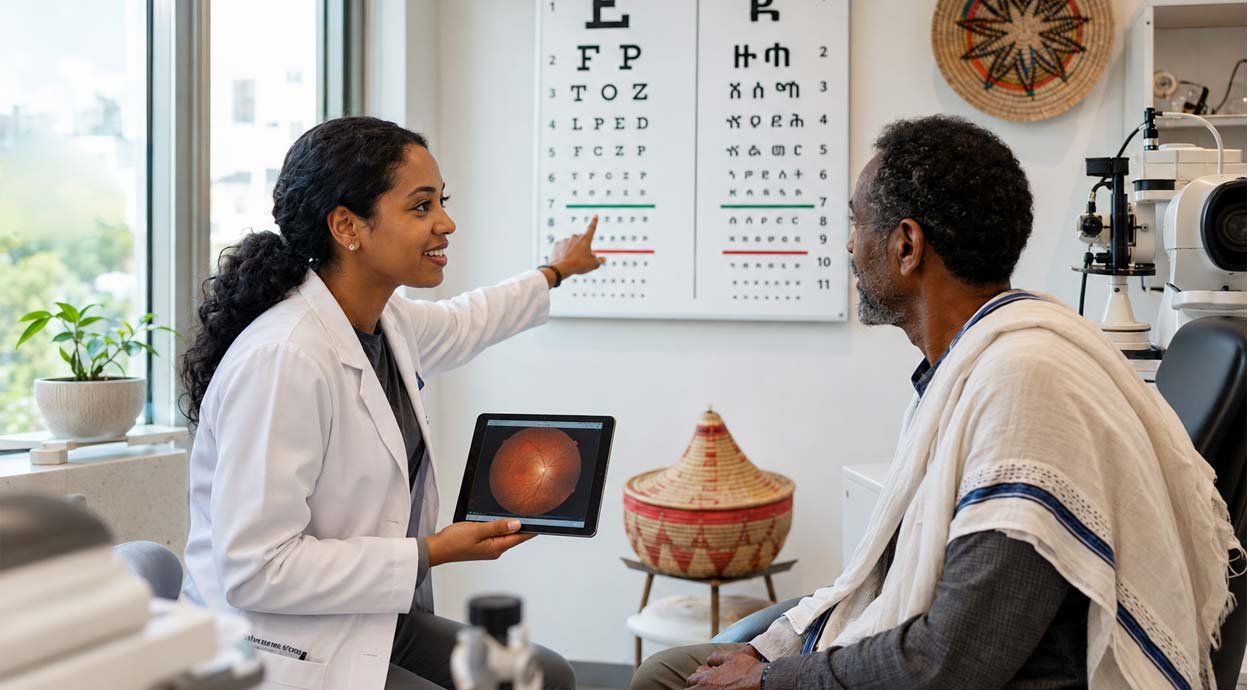
At El-Amin Ophthalmic Center, our pediatric eye exams are gentle, non-invasive, and child-friendly. We test:
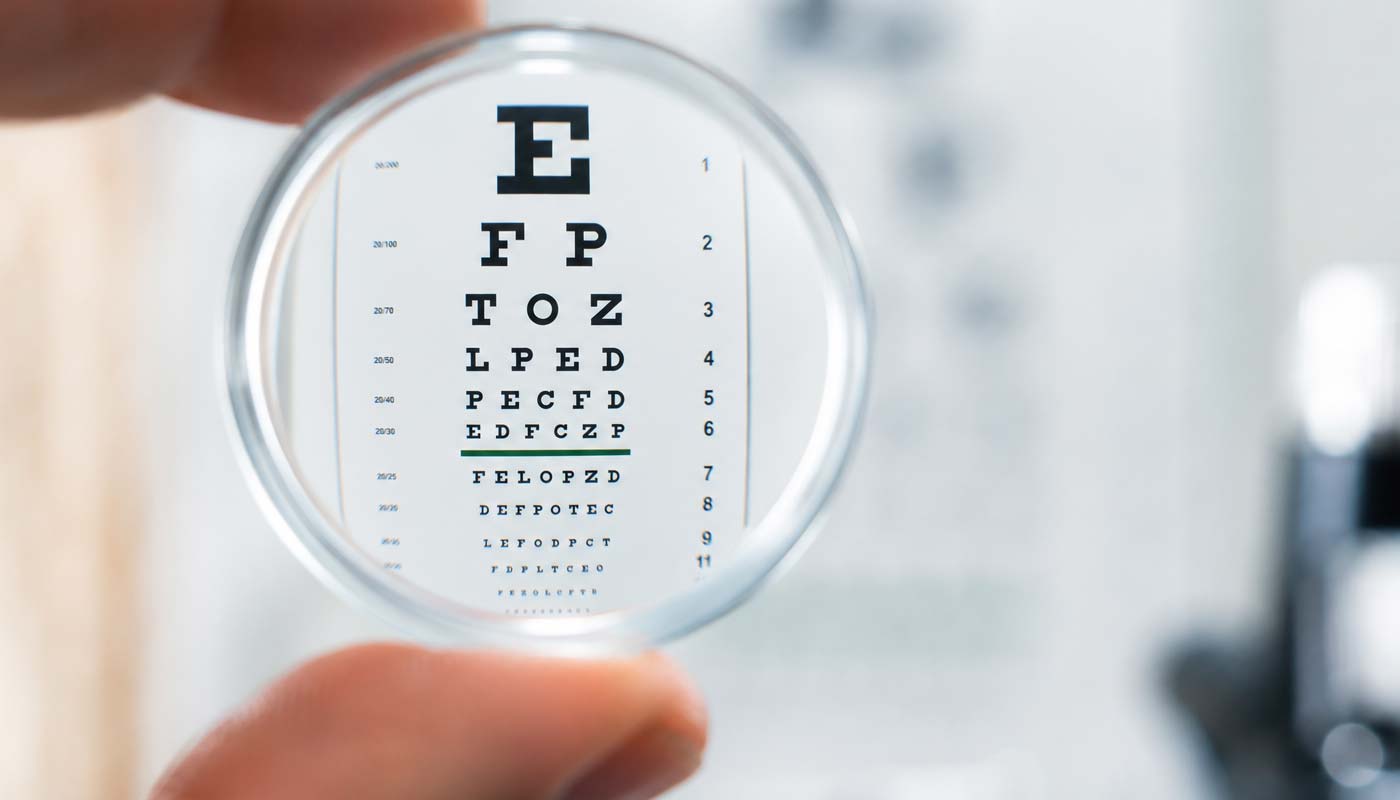
- Visual acuity (clarity of vision)
- Eye movement and alignment
- Depth perception and color vision
- Overall eye health and development
If needed, we’ll recommend glasses, further evaluation, or treatment options tailored to your child’s needs.
Take Action: Protect Your Child’s Vision Early
Clear vision is essential for your child’s confidence and success in school and beyond. The earlier a problem is detected, the easier it is to correct. Don’t wait for your child to speak up—be proactive.