Vision problems in children often go unnoticed—especially when the symptoms are subtle. Two of the most common and potentially serious pediatric eye conditions are amblyopia (lazy eye) and strabismus (misaligned or crossed eyes). If not diagnosed and treated early, both can lead to permanent vision loss.
At El-Amin Ophthalmic Center, we believe that awareness and early intervention are key to protecting your child’s sight. Let’s explore the difference between these two conditions, how to recognize them, and what treatments are available.
What Is Amblyopia?
Amblyopia, commonly known as "lazy eye," occurs when the brain starts favoring one eye over the other, causing the weaker eye to lose its ability to see clearly—even if it looks normal from the outside.
Causes:
- Strabismus (eye misalignment)
- Significant difference in prescription between the two eyes (refractive amblyopia)
- Obstruction of vision (due to cataract, drooping eyelid, etc.)
Signs to Look For:
- One eye drifting inward or outward
- Poor depth perception
- Squinting or shutting one eye
- Head tilting when looking at objects
- Trouble with school performance or coordination
What Is Strabismus?
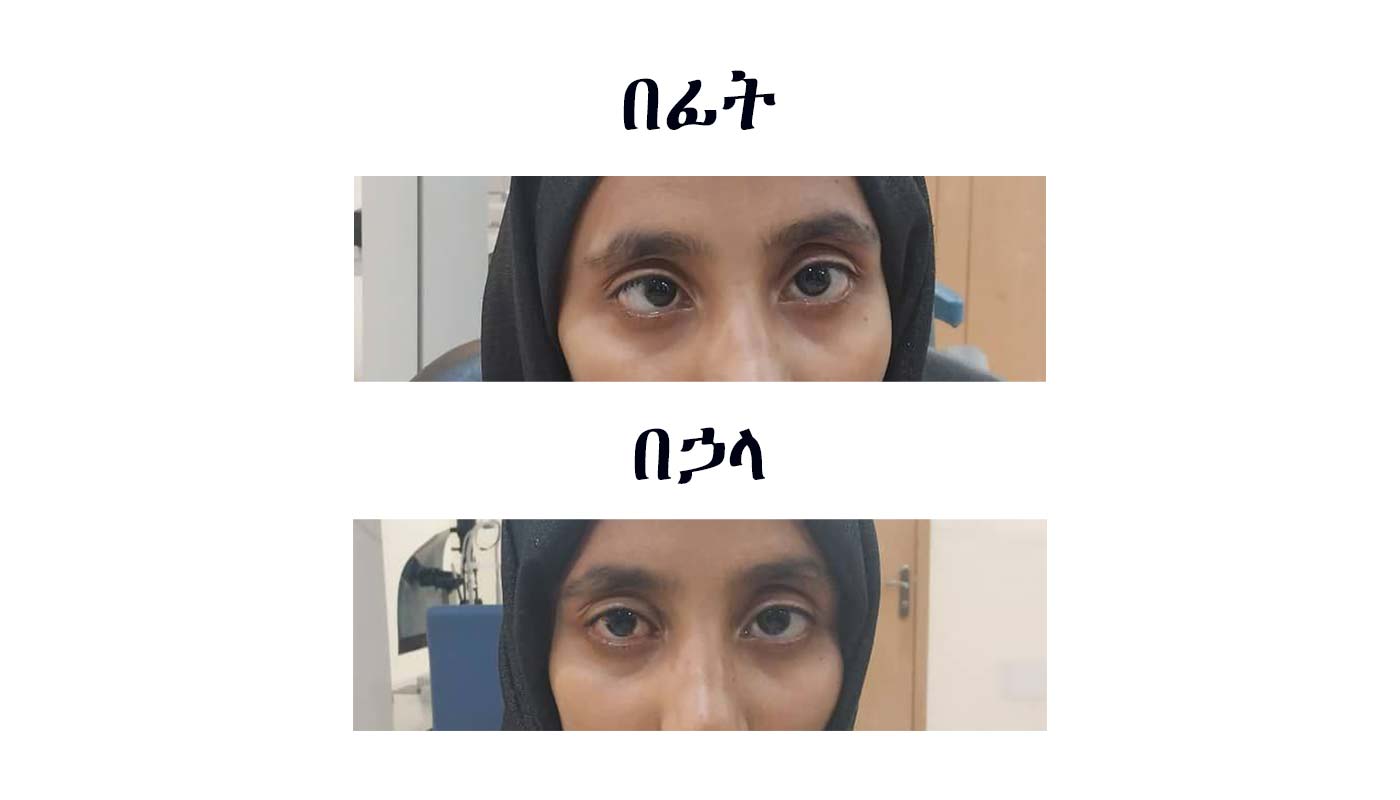
Strabismus is a condition where the eyes are not aligned properly and point in different directions. One eye may turn in, out, up, or down while the other looks straight ahead. It may be constant or appear occasionally.
Causes:
- Muscle imbalance in the eye
- Nerve problems
- Genetic factors (runs in families)
- Uncorrected refractive errors (farsightedness)
Signs to Look For:
- Crossed or turned eyes
- Eyes that don’t move together
- Squinting or double vision
- Head tilting to align vision
- Difficulty tracking objects
How Are They Connected?
Strabismus is one of the most common causes of amblyopia. If one eye is consistently misaligned, the brain may start ignoring the image from that eye to avoid double vision—leading to amblyopia over time. That’s why treating strabismus early is important to prevent or reduce amblyopia.
Diagnosis
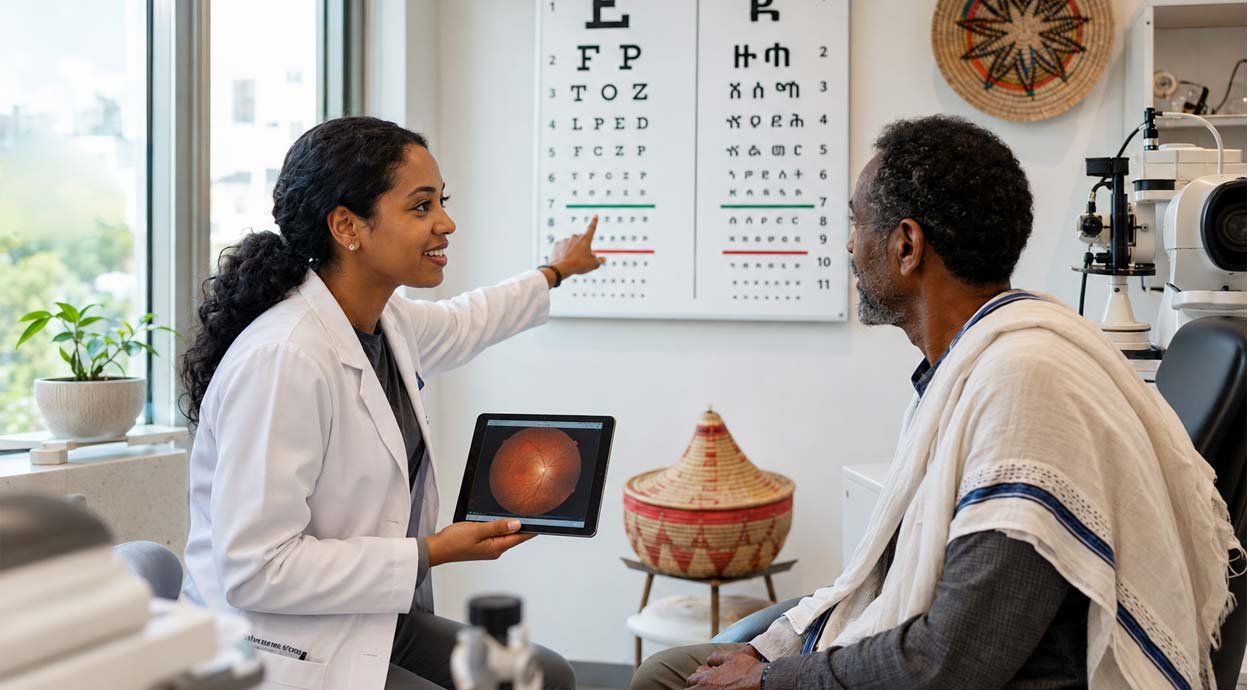
Both conditions can be diagnosed through a comprehensive pediatric eye exam. At El-Amin Ophthalmic Center, we perform:
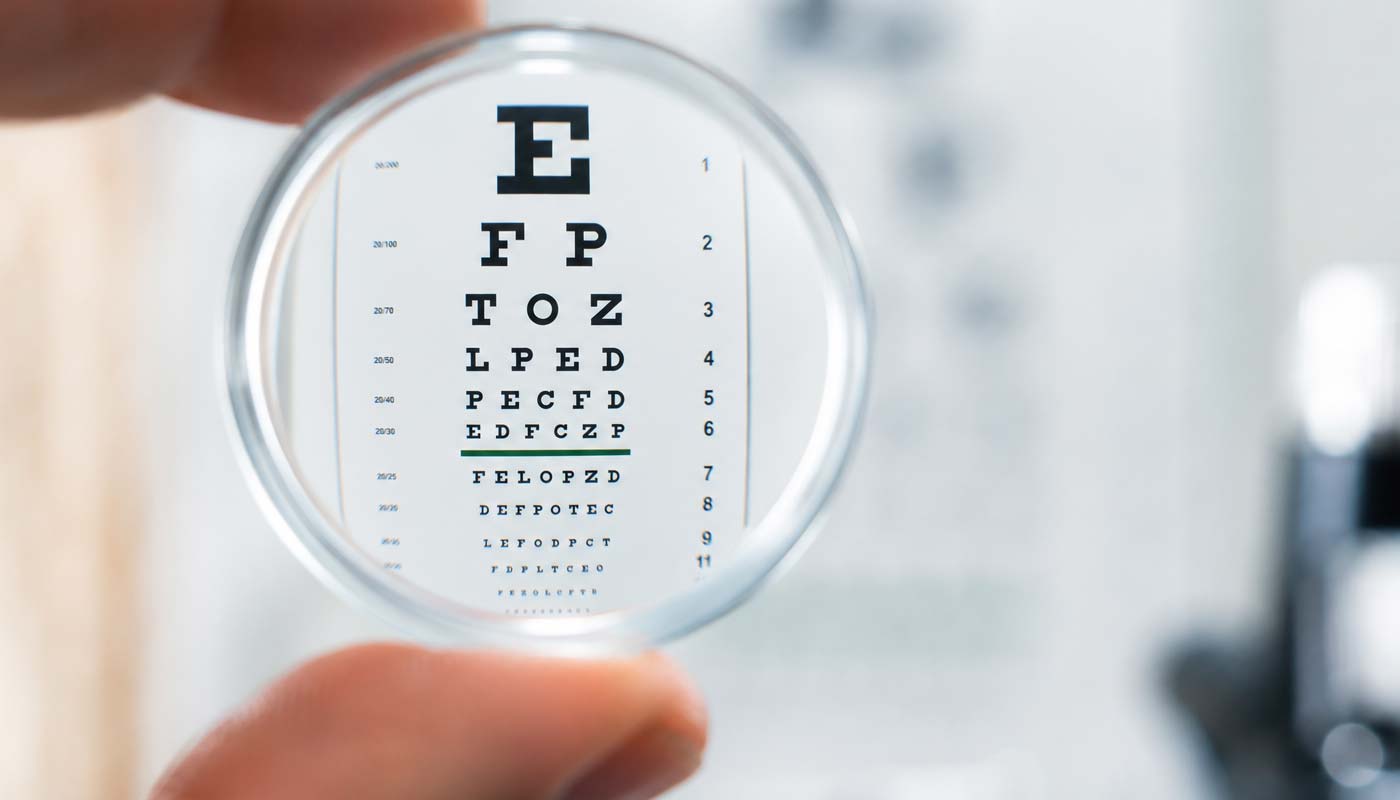
- Visual acuity testing
- Eye alignment tests
- Refraction (to determine lens needs)
- Eye health evaluation
We recommend eye exams for children at:
- 6 months of age
- 3 years of age
- Before starting school
- Every 1–2 years afterward, or as needed
Treatment Options
For Amblyopia:
- Prescription glasses to correct refractive errors
- Eye patching of the stronger eye to strengthen the weaker eye
- Atropine eye drops to temporarily blur vision in the stronger eye
- Vision therapy for improved eye coordination and function
For Strabismus:
- Eyeglasses to correct focusing problems
- Prism lenses to help align vision
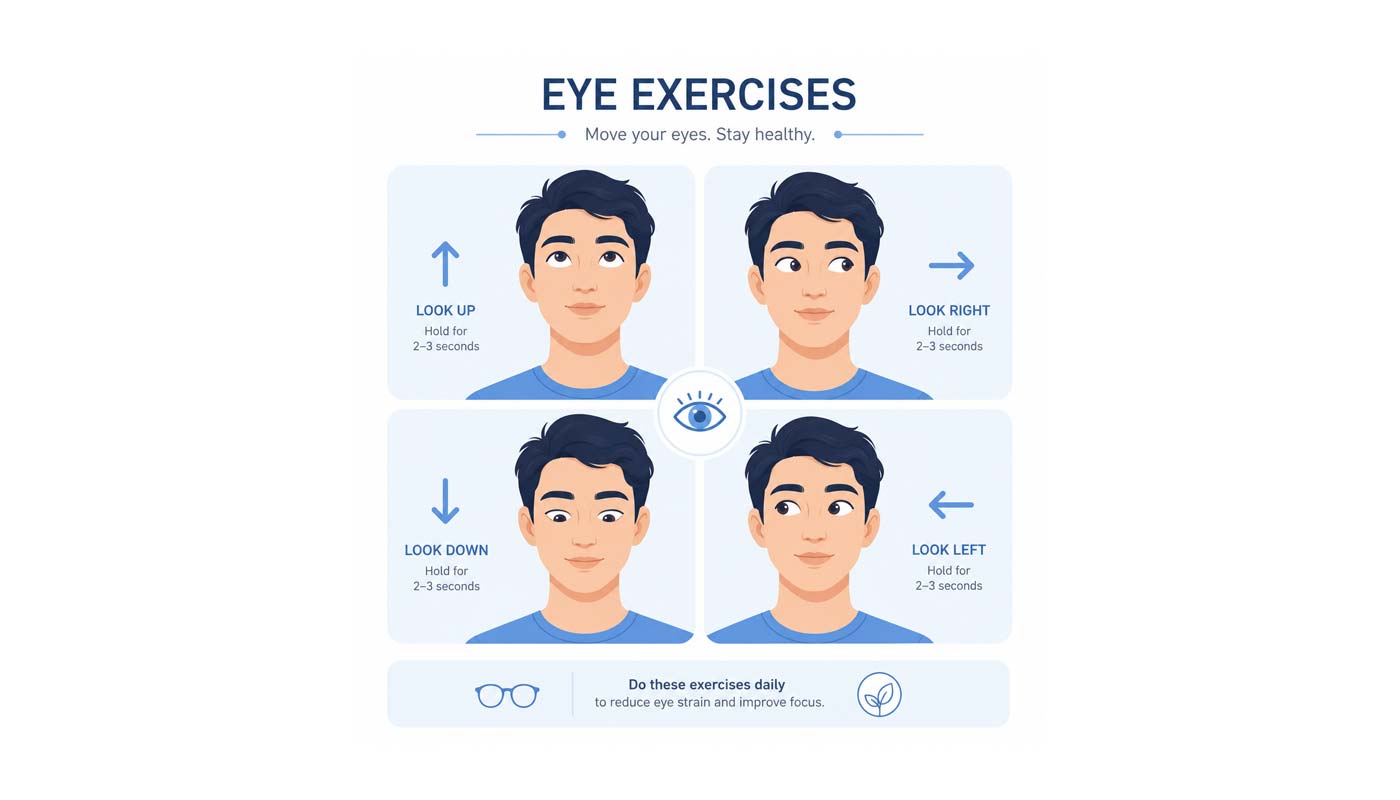
- Eye muscle exercises
- Surgery (in some cases) to adjust eye muscles and restore alignment
Why Early Treatment Matters
The earlier amblyopia and strabismus are detected, the better the outcome. The brain and eyes develop rapidly in early childhood, so treatment during these years is more effective and less invasive. Delaying treatment may result in permanent vision impairment in one or both eyes.
Support and Care at El-Amin Ophthalmic Center
Our team of eye care professionals specializes in early childhood vision screening, diagnosis, and treatment. We use a gentle, child-friendly approach to help kids feel safe and supported during their visit.
📞 Book your child’s eye exam today and give them the gift of clear, healthy vision.