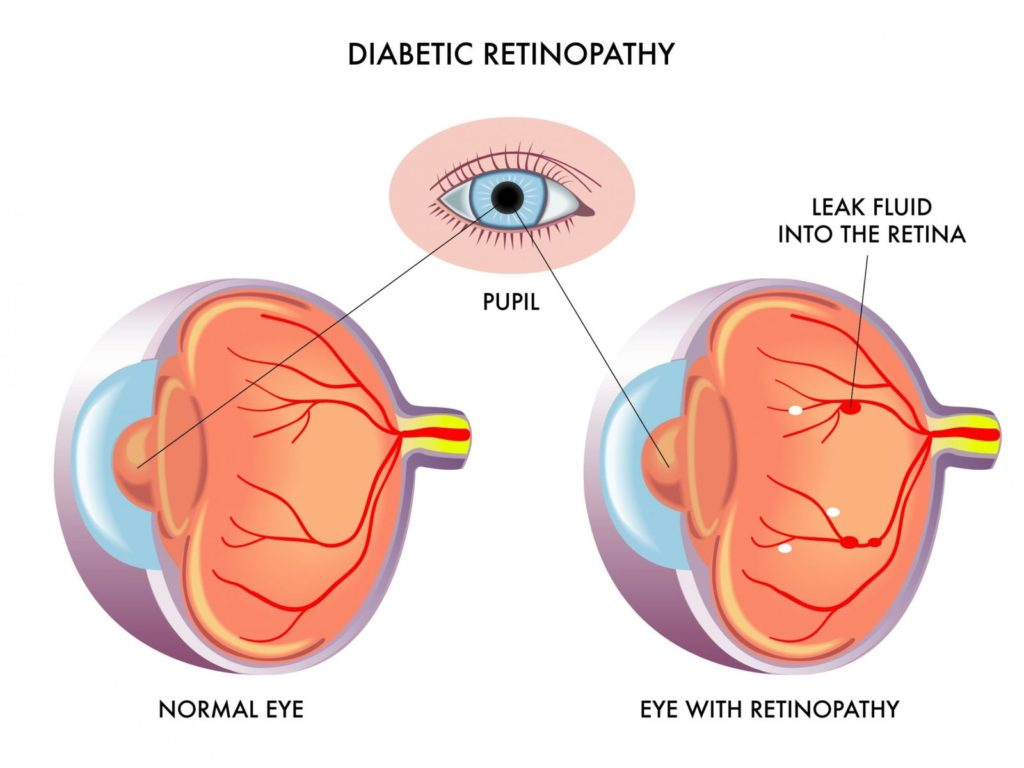
Living with diabetes requires ongoing care—and that includes caring for your eyes. One of the most serious complications of diabetes is diabetic retinopathy, a condition that can lead to vision loss or even blindness if not detected and treated early.
At El-Amin Ophthalmic Center, we are committed to helping patients manage and prevent diabetic-related vision problems through early screening, advanced diagnostics, and personalized treatment plans.
What Is Diabetic Retinopathy?
Diabetic retinopathy is a complication of diabetes that affects the retina, the light-sensitive tissue at the back of the eye. High blood sugar levels can damage the tiny blood vessels in the retina, causing them to leak, swell, or close off completely. In advanced stages, abnormal blood vessels may grow and lead to serious vision loss.
There are two main stages:
- Non-proliferative diabetic retinopathy (NPDR) – Early stage; blood vessels weaken and leak fluid.
- Proliferative diabetic retinopathy (PDR) – Advanced stage; new, abnormal vessels grow, which may bleed or form scar tissue.
Who Is at Risk?
Anyone with type 1 or type 2 diabetes can develop diabetic retinopathy. Risk increases with:
- Poor blood sugar control
- High blood pressure or cholesterol
- Long duration of diabetes
- Smoking
- Pregnancy (in diabetic patients)
Common Symptoms
In the early stages, diabetic retinopathy often shows no noticeable symptoms—which is why regular eye exams are crucial. As the condition progresses, you may experience:
- Blurry or fluctuating vision
- Dark spots or floaters
- Difficulty seeing at night
- Sudden vision loss (in severe cases)
If you have diabetes, don’t wait for these signs to appear—proactive monitoring is the best protection.
Diagnosis
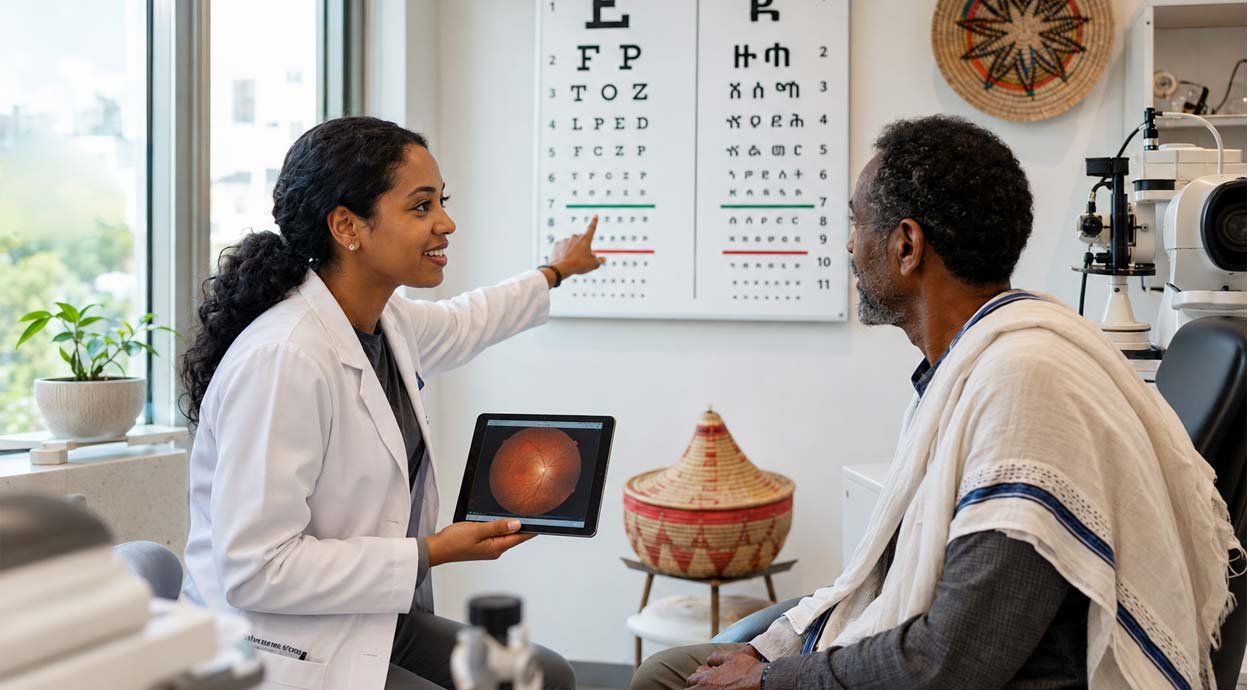
A comprehensive dilated eye exam is the only way to detect diabetic retinopathy. At El-Amin Ophthalmic Center, we use advanced diagnostic tools such as:
- Fundus photography – captures detailed images of the retina
- OCT (Optical Coherence Tomography) – provides cross-sectional images to detect swelling
- Fluorescein angiography – identifies leaking or blocked blood vessels
Treatment Options
The best treatment depends on the stage and severity of the condition:
🔹 Early stages (NPDR)
- Better blood sugar and blood pressure control
- Regular monitoring
🔹 Advanced stages (PDR or diabetic macular edema)
- Laser therapy to seal leaking blood vessels
- Intravitreal injections (anti-VEGF medications) to reduce swelling and stop abnormal vessel growth
- Vitrectomy surgery in severe cases to remove blood or scar tissue from the eye
How to Prevent Diabetic Retinopathy
The best way to protect your vision is to manage your diabetes and take preventive steps:
✅ Control your blood sugar, blood pressure, and cholesterol
✅ Quit smoking
✅ Get regular eye exams—at least once a year
✅ Report any vision changes immediately
We’re Here to Help
At El-Amin Ophthalmic Center, we provide expert diabetic eye care, from screening to advanced treatment. Whether you’re newly diagnosed or have been living with diabetes for years, our team will support you in preserving your vision and preventing complications.