
It's one of the oldest warnings passed down from parents and teachers: "Turn on the light! Reading in the dark will ruin your eyesight!" But is this common belief true? Does straining to read under dim light lead to permanent vision damage?
The Short Answer: It Won't Cause Permanent Damage
The good news is that medical science confirms that reading in the dark will not cause permanent, physical damage to the structure of your eyes or lead to conditions like myopia (nearsightedness).
The human eye is incredibly adaptable. When you read in low light, your iris opens wider to let in as much light as possible, and the muscles around your lens (ciliary muscles) work harder to focus the image on your retina.
The Real Consequences of Reading in the Dark
While there’s no lasting damage, reading without adequate light does cause a phenomenon known as Digital Eye Strain (or Asthenopia) and can lead to immediate, uncomfortable symptoms:
- Eye Strain and Fatigue: The constant, intense effort required by the eye muscles to maintain focus in dim light leads to rapid muscle fatigue.
- Headaches: Prolonged eye strain is a frequent trigger for tension headaches, particularly around the temples and forehead.
- Temporary Blurred Vision: After stopping reading, you may experience a brief period where your vision is slightly blurry until your focus muscles relax and return to normal.
- Dry Eyes: When concentrating intently, especially in poor light, you tend to blink less often, which reduces the lubrication on the surface of your eye, leading to dryness and irritation.
Tips for a Strain-Free Reading Experience
To ensure comfortable and enjoyable reading without unnecessary strain, follow these simple guidelines:
- Use a Dedicated Reading Light: Position a strong light source directly onto the page, but ensure the light source is behind you to avoid glare reflecting back into your eyes.
- Ensure Ambient Light: The room should not be completely dark. Having some general ambient light reduces the contrast between the brightly lit page and the darkness, which minimizes eye fatigue.
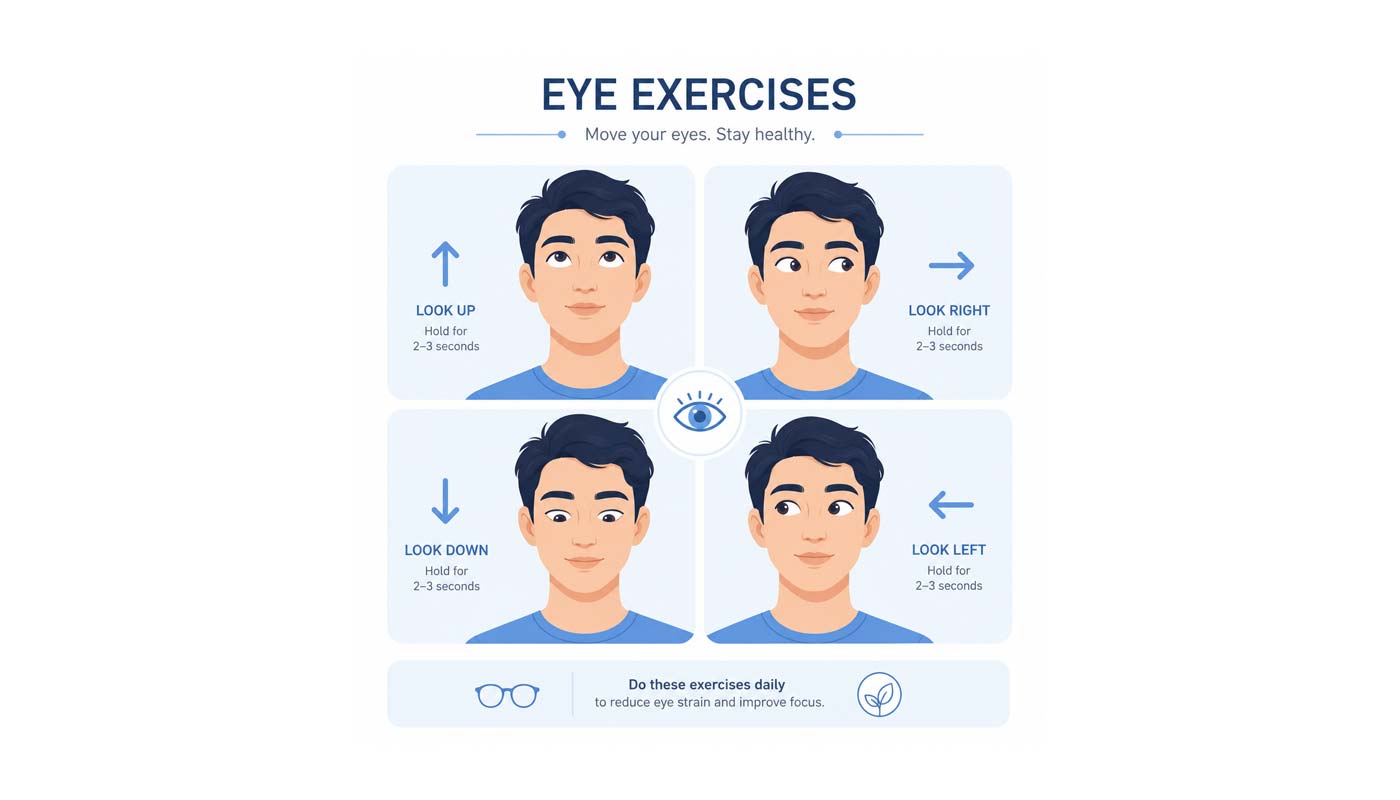
- Take Breaks (The 20-20-20 Rule): Every 20 minutes, look up from your book and focus on something 20 feet away for 20 seconds. This allows your ciliary muscles to relax.
While you won't ruin your eyesight by occasionally reading a chapter in bed with the lights low, prioritizing proper lighting is the best way to prevent uncomfortable strain and keep your reading experience enjoyable.