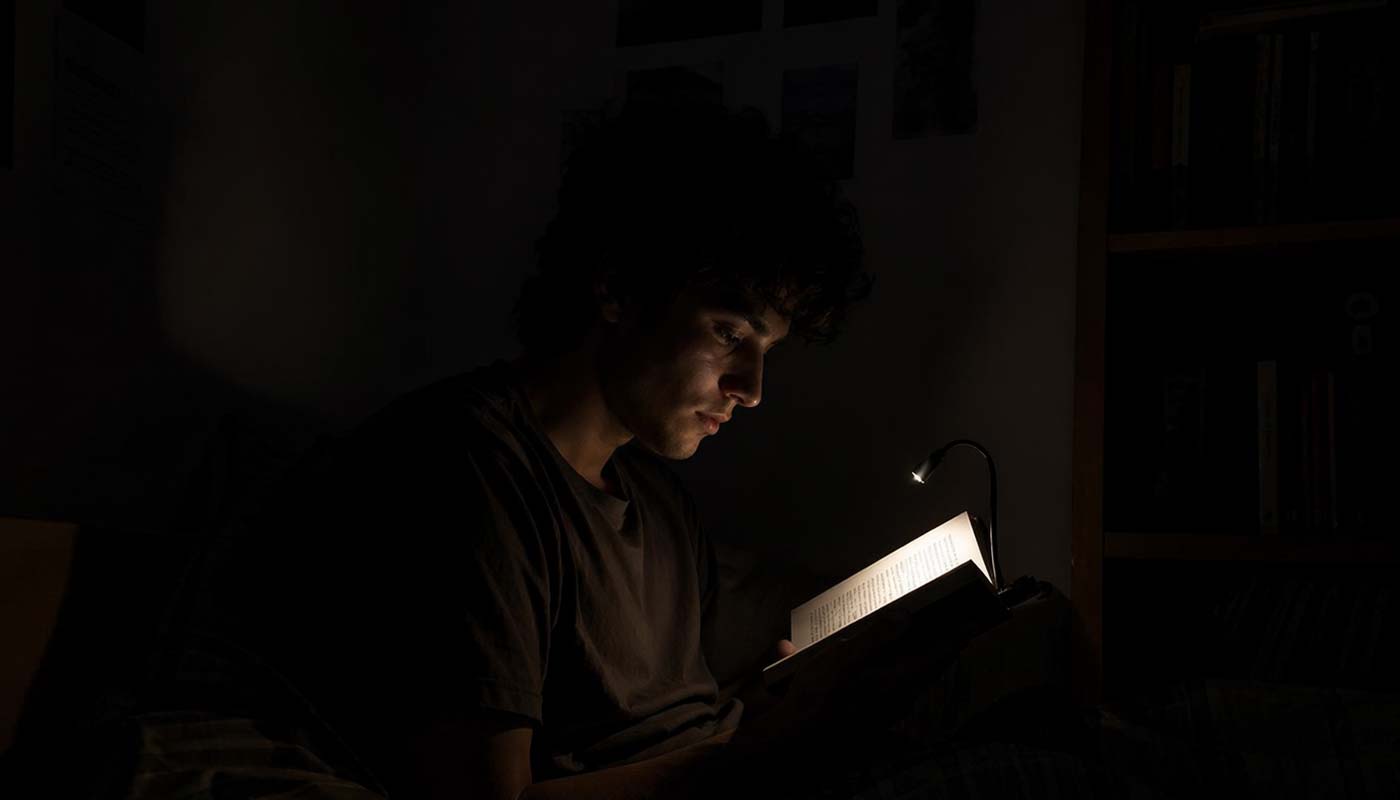
It is a common childhood myth: reading under the covers with a flashlight or in a dimly lit room will lead to thick glasses and permanent vision loss. While the intention behind the warning is good, the science tells a slightly different story.
Why It Feels Uncomfortable
When you read in low light, your eyes have to work harder. Your pupils dilate to let in more light, and the ciliary muscles in your eyes struggle to maintain focus on the words. This doesn't damage the eye’s structure, but it leads to Asthenopia, more commonly known as eye strain.
Symptoms of Reading-Related Strain
If you frequently read in the dark, you may experience:
- Sore or itchy eyes
- Increased sensitivity to light
- Occasional double vision
- Tension headaches
These symptoms are usually temporary and disappear once you rest your eyes in proper lighting.
Tips for Healthy Reading
To enjoy your favorite book without the discomfort:
- Use Task Lighting: A lamp positioned to shine directly onto your book is better than a bright overhead light that causes glare.
- Adjust Digital Contrast: If reading on a tablet, use "Warm Mode" or "Night Shift" to reduce the intensity of blue light in dark environments.
- Blink Frequently: Remind yourself to blink to keep the surface of your eyes lubricated.
While you won't "ruin" your eyes by reading in the dark, you will certainly be more comfortable with a little extra light. For any persistent eye strain, visit El-Amin Ophthalmic Center for a professional assessment.